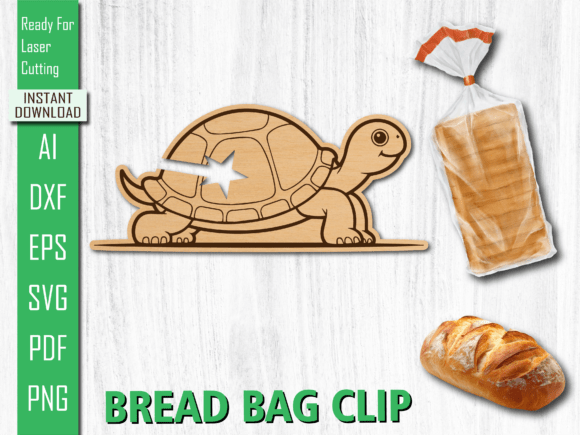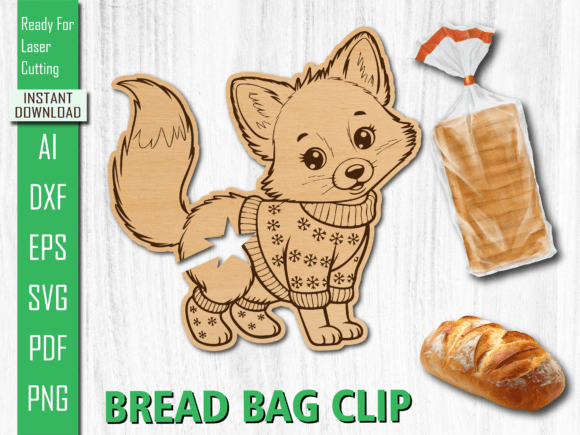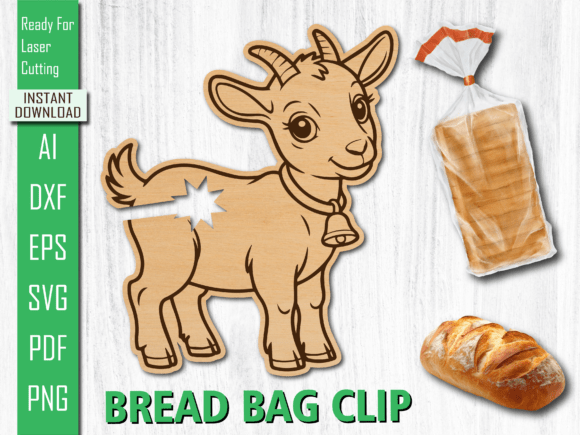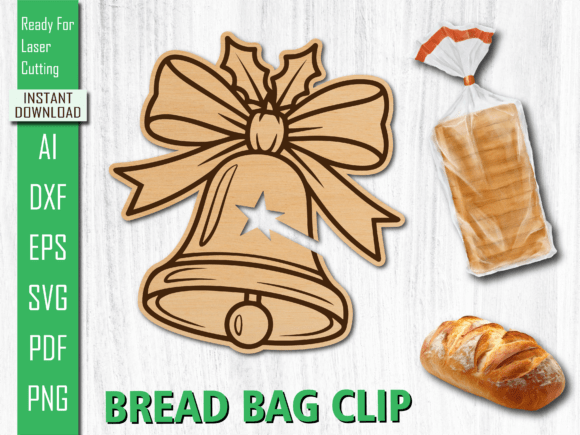
Animal Laser TBaby Elephant Bread Clip Review
As a designer who has spent years navigating the fine line between whimsical concepts and functional finished products, I approach every new asset with a critical eye. Today, we are looking at the Animal Laser TBaby Elephant Bread Clip. On paper, this design sits in the Other Home Decor category, specifically tailored for Laser Cutting and CNC machines. However, my perspective today is different. I am evaluating how this specific aesthetic translates when adapted for a textile environment. Can a design born from wood and acrylic find its soul in thread? Let’s dig into the practical application of this playful motif for your craft business or personal embroidery projects.
First Impressions: Humor Meets Utility
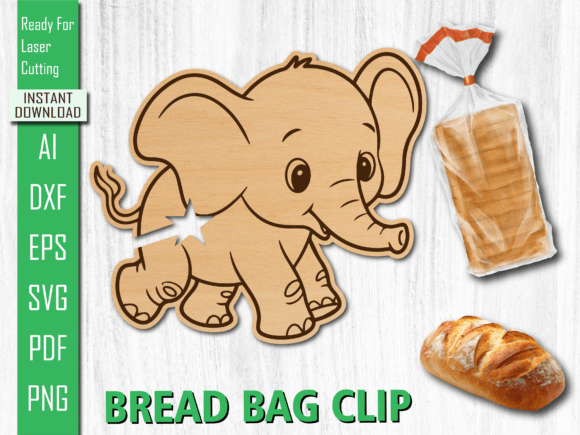
The first thing that strikes you about the Animal Laser TBaby Elephant Bread Clip is its inherent charm. It is not just a generic animal shape; it is a character with personality. The concept of an elephant acting as a bread clip is inherently funny, adding a pinch of humor to kitchen organization. When I visualize this as a machine embroidery design, the mood shifts from purely functional to delightfully quirky. For an Etsy seller or a small shop owner, this kind of visual storytelling is gold. It transforms a mundane kitchen item into a conversation starter.
In terms of layout, the design features clean lines and a distinct silhouette. This is crucial for embroidery. Complex, jagged edges often lead to messy fill stitch patterns or require excessive satin stitch work that can pucker thin fabrics. The elephant’s rounded ears and trunk offer natural curves that are forgiving during digitization. If you are planning to adapt this for a tote bag design or a custom apron, the simplicity of the form suggests it will hold up well even on textured fabrics like canvas or linen.
Real-World Application: From Kitchen to Apparel
Let’s imagine a real-life scenario. You are preparing a collection of personalized gifts for the upcoming holiday season. You decide to create a set of kitchen towels featuring the Animal Laser TBaby Elephant Bread Clip. Instead of just cutting the shape out of wood, you embroider it directly onto the hem of a high-quality cotton towel. The result? A tactile, soft, and durable decoration that feels much more premium than a printed graphic.
This design fits perfectly into the realm of custom apparel as well. Picture a sweatshirt embroidery project where the elephant is placed on the chest pocket area. Because the design is compact, it works beautifully as a logo-style placement. For parents, adapting this into a baby embroidery project for a onesie or a bib is a natural fit. The "TBaby" aspect of the name suggests a youthful energy that resonates with nursery decor themes. Whether it is a personalized gift for a new parent or a unique addition to a boutique product line, the versatility of the elephant motif allows it to bridge the gap between home goods and fashion.
For those running a craft business, the potential for creating embroidered patches is significant. You could cut the patch shape to match the elephant's outline, add a backing, and sell them as iron-on accessories for denim jackets or backpacks. This expands your inventory without requiring heavy machinery beyond your standard embroidery setup. The key here is recognizing that while the original file is for Laser Cutting, the *concept* is transferable to thread if handled with care.
Navigating Technical Challenges and Fabric Choices
While the design is promising, experienced designers know that not all surfaces are created equal. There are specific situations where the Animal Laser TBaby Elephant Bread Clip requires extra caution. First, consider the hoop size. If you attempt to scale this design too small for a cap or a tiny hat brim, the details of the elephant’s eyes and trunk may get lost. Small, intricate areas often suffer from poor stitch density when downsized, leading to holes in the fabric or thread breakage.
Fabric texture is another major factor. If you are working with stretchy materials like jersey knit for a t-shirt, you must use the appropriate stabilizer to prevent the design from distorting. The weight of the thread can pull on the fabric, especially around the curved edges of the elephant. Similarly, on dark fabrics, the contrast becomes vital. A white elephant on a black background needs a solid underlay to ensure the colors pop. Without proper planning, the design can look muddy rather than crisp.
Furthermore, avoid placing this design on layered garments where the stitching might catch on seams underneath. The thickness of the embroidery could create an uncomfortable bump against the skin if placed on the inside of a collar or cuff. Always test the design on scrap fabric first. Check how the thread colors interact with the base material and review the stitch count to ensure it doesn’t take forever to run on your machine.
Maximizing Value and Professional Appeal
Using a well-executed version of the Animal Laser TBaby Elephant Bread Clip significantly boosts the perceived value of your finished product. Customers are willing to pay more for items that show attention to detail. A professionally stitched elephant looks far superior to a cheap screen print. It signals quality, craftsmanship, and brand consistency.
For digital product sellers, offering a converted digital embroidery file based on this popular motif can be a lucrative side stream. However, always confirm licensing before selling finished items or digital assets. Ensure you have the rights to adapt a laser cutting design into an embroidery format for commercial use. If you are creating printable mockups to showcase your work, make sure the rendering accurately represents how the stitches will look in reality. Over-promising on clarity can lead to disappointed customers.
Final Designer Notes for Success
- Test Run: Always sew a sample on a piece of the actual fabric you plan to use. Check for puckering and thread tension.
- Color Strategy: Select thread colors that complement the fabric but maintain enough contrast for visibility. Pastels work well for baby items, while bold colors stand out on kitchen linens.
- Stabilizer Selection: Do not skip the stabilizer. Use tear-away for stable wovens and cut-away for knits to ensure longevity through frequent washing.
- Detail Inspection: Zoom in on the digitized file. Are the eyes too small? Is the trunk thick enough? Adjustments may be needed before hitting the start button.
- Commercial Viability: Consider if this design aligns with your brand voice. Does it fit the aesthetic of your small shop product lineup?
In conclusion, the Animal Laser TBaby Elephant Bread Clip offers a delightful opportunity for creative entrepreneurs to inject personality into their work. While it originates in the world of laser cutting, its strong visual identity makes it a strong candidate for adaptation into a commercial embroidery project. By respecting the technical limitations of thread and fabric, you can turn this humorous concept into a high-quality, market-ready product that customers will love. Whether it ends up on a holiday gift, a nursery blanket, or a chef’s apron, the charm of the baby elephant is sure to bring a smile to anyone’s face.