Born to Handball Forced to Work SVG PNG Review
As a designer who has spent years translating digital files into tangible thread on fabric, I approach every new machine embroidery design with a mix of excitement and skepticism. The market is flooded with generic clip art, so finding a piece that actually works in a real-world application is a rare find. Today, I am evaluating the Born to Handball Forced to Work SVG PNG design. This isn't just about looking at a pretty picture; it is about understanding how this specific graphic translates when you move from a screen to a hoop, needle, and thread.
The First Impression: Humor Meets Athleticism
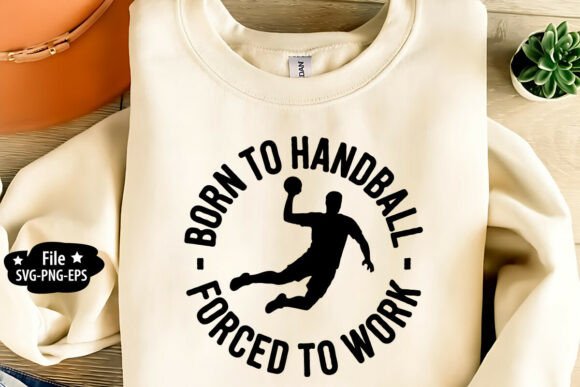
When I first opened the preview for Born to Handball Forced to Work SVG PNG, the visual impact was immediate. The concept is simple but universally relatable: a bold handball player silhouette encircled by eye-catching typography. It taps into that specific frustration we all feel when our true passions clash with our daily obligations. For an Etsy seller or a boutique owner looking for merchandise that sparks a conversation, this kind of humor is gold. It moves beyond a standard sports logo and becomes a statement piece.
The layout is circular, which is generally excellent for embroidery because it distributes tension evenly around the hoop. The silhouette of the player is clean, avoiding overly intricate details that often get lost in stitching. However, as someone who values precision, my first thought was always about the typography. Circular text can be tricky depending on the font weight and the curve radius. If the letters are too thin, they might break up during the fill stitch process. If they are too thick, they could become a dense block of thread that pulls the fabric. In this design, the balance seems intentional, aiming for a bold look that should hold up well on various textiles.
A Real-World Scenario: The Custom Sweatshirt Project
To truly test the viability of this design, I imagined a recent client request. A local handball club wanted custom apparel for their players' off-duty wear. They didn't want formal jerseys; they wanted something fun for game days or casual hangouts. I envisioned using the Born to Handball Forced to Work SVG PNG on a heavy-weight crewneck sweatshirt. This is where the practical side of design comes into play.
Sweatshirts present a unique challenge due to their texture and thickness. The fleece backing can sometimes cause the needle to skip if the stitch density is too high. With this design, the bold silhouette suggests a solid fill area. If I were digitizing this myself or converting the provided file, I would ensure the fill stitch angle varies slightly to prevent "bird's nesting" on the looped fabric. The circular nature of the design also makes it perfect for placement on the upper chest or even the sleeve cuff, offering versatility that straight-line text designs lack.
I also considered how this would work as an embroidered patch. Cutting out the circle and adding a satin border could create a high-quality accessory for a backpack or a denim jacket. The contrast between the dark thread of the silhouette and a light background fabric would make the "Forced To Work" message pop, ensuring high visibility and instant recognition.
Navigating Fabric Challenges and Design Limitations
While the design is strong, it is not without its constraints. As a professional, I must advise caution when applying this to certain materials. If you plan to use Born to Handball Forced to Work SVG PNG on thin fabrics like silk or lightweight cotton tees, the density of the circular fill could cause puckering. You will need a heavy-duty stabilizer and potentially a tear-away underlay to support the weight of the thread.
Stretchy fabrics are another area of concern. On a fitted jersey or a knit tank top, the rigid structure of the embroidery can restrict the fabric's natural give. If the customer moves, the stitches might pull or even break over time. For these applications, I would recommend testing the design on a scrap piece of the exact same fabric first. Check the tension and see how the fabric behaves after washing. This step is non-negotiable for maintaining product quality.
Furthermore, curved surfaces like caps require careful consideration. While the circular shape fits naturally on a cap front, the transition from the flat brim to the rounded crown can distort the typography. You may need to adjust the hoop size or re-digitize the file specifically for a cap frame to ensure the "Born to Handball" text remains legible and doesn't warp.
Practical Notes for the Craft Business Owner
If you are running a craft business or selling digital embroidery files, there are several technical aspects to verify before committing to production. First, always inspect the small details. Does the handball itself have enough definition? If the ball is too small, the texture might disappear in the stitching. Second, check your thread colors. A monochromatic design can look elegant, but a two-tone approach—perhaps a bright orange for the ball against a navy blue silhouette—could elevate the visual appeal significantly.
Licensing is another critical factor. Before you list a finished product made with this design on your shop, confirm the terms of use. Can you sell the physical item? Can you resell the digital file? Understanding these boundaries protects your brand reputation and ensures you remain compliant with intellectual property rights.
Finally, consider the finished product presentation. When creating printable mockups for your website, show the design on different backgrounds. Show it on a black hoodie, a white tote bag, and a colored apron. This helps potential buyers visualize the versatility of the design. The Born to Handball Forced to Work SVG PNG has the potential to be a best-seller for holiday gifts, personalized team gear, or even funny corporate swag, provided you execute the embroidery correctly.
Final Verdict: A Strong Contender for Custom Apparel
In conclusion, the Born to Handball Forced to Work SVG PNG is a robust choice for designers who understand the nuances of thread and fabric. It captures a specific mood that resonates with athletes and workers alike. Its bold silhouette and circular layout offer a classic aesthetic that translates well into custom apparel and accessories. However, success depends on your attention to detail regarding stabilizers, fabric types, and stitch settings.
For the hobbyist, it offers a fun project to practice circular filling and text curvature. For the professional, it represents a reliable asset for expanding a catalog of sports-themed merchandise. Just remember to test, stabilize, and verify your licensing. If you do that, this design can definitely add value to your portfolio and bring a smile to your customers' faces.