Hair Would Only Slow Me Down Embroidery Review
As a designer who has spent years translating digital graphics into tangible stitched goods, I approach every new machine embroidery design with a mix of excitement and skepticism. The market is flooded with generic patterns, but finding a piece that balances wit, visual clarity, and structural integrity for real-world application is rare. Today, I am evaluating the design titled Hair Would Only Slow Me Down. At first glance, it presents itself as a bold statement piece, likely originating from a collection of trending T-Shirt Designs or digital Graphics. However, my job is to look past the screen and determine how this specific phrase translates when punched through fabric with thread.
The Visual Impact and Design Mood
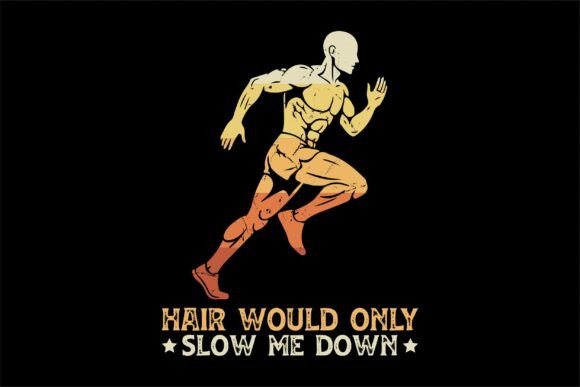
When I load Hair Would Only Slow Me Down into my digitizing software, the immediate impression is one of high energy and playful rebellion. The typography appears to be the star here, suggesting a layout where the text carries the weight of the message without needing excessive decorative flourishes. For an embroidery project, this is often a good sign; complex illustrations can sometimes get lost in the stitch count, but strong lettering usually translates well to thread.
The mood is distinctly modern and slightly edgy, making it perfect for a handmade product aimed at a younger demographic or those who appreciate dry humor. It feels like a design meant to spark conversation. If I were placing this on a custom apparel item, I would envision it sitting prominently on the chest of a heavy-weight sweatshirt or centered on a canvas tote bag. The simplicity of the concept allows the stitching to shine, provided the stitch density is managed correctly during the digitization phase.
Real-World Application: A Sweatshirt Scenario
To truly test the viability of this design, let’s walk through a practical scenario. Imagine you are a small shop owner preparing a limited run of holiday gifts. You decide to use Hair Would Only Slow Me Down on a heather grey crewneck sweatshirt. This is a classic use case for sweatshirt embroidery. The texture of the fleece provides a soft backdrop, but it also introduces challenges regarding puckering and thread visibility.
In this context, the design needs to be large enough to be legible but not so dense that it stiffens the fabric. If the embroidery file relies heavily on fill stitch for the letters, you must ensure the underlay is robust. Without proper support, the thick loops of a sweatshirt can cause the stitches to sink, making the text look muddy rather than crisp. Conversely, if the design utilizes a clean satin stitch outline, it will pop beautifully against the grey fabric, creating a premium look that justifies a higher price point for your small shop product.
I can also see this working exceptionally well as an embroidered patch. Many crafters prefer creating patches because they allow for more aggressive stitch density without worrying about fabric distortion. A patch featuring this witty phrase could be sewn onto denim jackets, backpacks, or even upcycled jeans. The versatility of Hair Would Only Slow Me Down makes it a strong candidate for commercial embroidery projects where durability and impact are paramount.
Navigating Fabric and Hoop Challenges
While the design looks promising, there are specific situations where caution is required. As a professional reviewer, I must highlight that not all fabrics are created equal. If you attempt to embroider this design on thin cotton or stretchy jersey material without the correct stabilizer, the result could be disastrous. The tension required to push the needle through multiple layers of thread might warp the fabric, causing the letters to buckle.
Furthermore, consider the hoop size. If the design spans a wide area, fitting it into a standard 4x4 hoop might require splitting the design, which risks misalignment. Always check the dimensions before starting. Another critical factor is the background color. While the design might look great on light fabrics, using it on dark materials requires careful consideration of thread colors. You may need a dense white underlay to make the text readable, which increases the stitch count and production time.
Be particularly wary of using this on curved surfaces like caps unless the design has been specifically optimized for cap hoops. Curved surfaces distort the geometry of straight lines, potentially warping the readability of the phrase. Additionally, avoid placing this design in areas subject to high friction, such as the cuff of a sleeve, as frequent washing and rubbing can fray delicate running stitch details over time.
Professional Tips for Execution
Before committing to a full production run, always test Hair Would Only Slow Me Down on scrap fabric first. This simple step can save you from ruining expensive blanks. Check the stitch density by looking at the back of the embroidery; if you can see the fabric threads clearly through the stitches, it might be too open. If the fabric is hard to see at all, it might be too dense, leading to stiffness.
Review your digital embroidery file settings carefully. Ensure that the pull compensation is set correctly for the type of fabric you are using. For a personalized gift, accuracy is key. If you are selling these as part of a craft business or on platforms like Etsy, consistency is what builds customer trust. Every item should look identical, with no loose threads or skipped stitches.
Also, consider the licensing. Since this design comes from a store specializing in T-Shirt Designs, verify whether you have the rights to sell finished products containing this artwork. Some licenses restrict commercial use or limit the number of items you can produce. Never assume; always confirm the terms to protect your business.
Final Verdict on Market Potential
Hair Would Only Slow Me Down is a design with significant potential for the right maker. Its strength lies in its relatable humor and straightforward composition, which translates well to thread. Whether used for baby embroidery on a onesie (perhaps for a toddler with a big personality), a tote bag design for a local market, or a unique holiday embroidery gift, it offers a fresh alternative to generic patterns.
However, success depends entirely on execution. The difference between a professional-looking finished product and a mediocre one often comes down to the choice of stabilizer, thread quality, and attention to detail. If you take the time to prepare your machine and fabric correctly, this design can become a best-seller in your portfolio. It adds a touch of personality and wit that customers love, turning a simple garment into a statement piece. For the experienced designer willing to put in the prep work, this is a valuable addition to their library of design assets.