Laser Christmas Holiday Holly Bread Clip Review
As a designer who has spent years navigating the fine line between whimsical concepts and functional finished products, I approach every new asset with a critical eye. The Laser Christmas Holiday Holly Bread Clip immediately caught my attention not just for its festive theme, but for the unique challenge it presents to those of us working in textile arts. While the product description explicitly states this design is made for laser cutting and CNC machines, falling under the category of Other Art Amp and Laser Cutting, the visual language it speaks is one that many embroidery designers are eager to translate into thread. It promises to add a pinch of humor to kitchen organization, combining practicality with a playful twist. But how does this specific aesthetic hold up when we move from digital vector paths to physical stitching on fabric?
The First Impression: Visual Weight and Holiday Charm
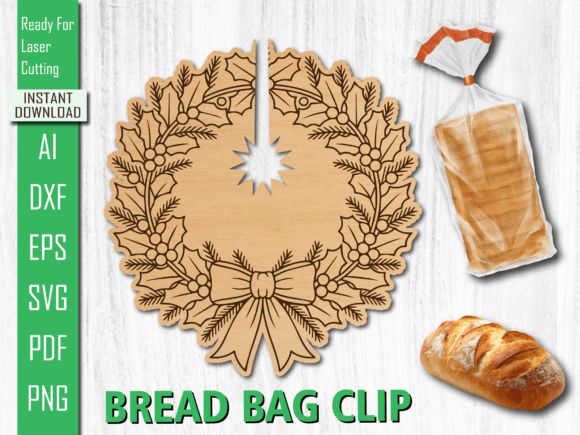
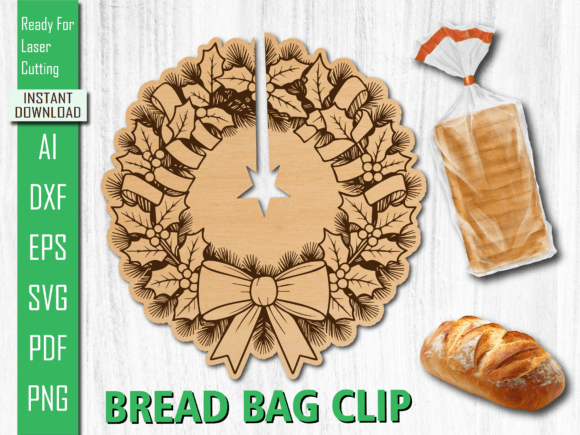
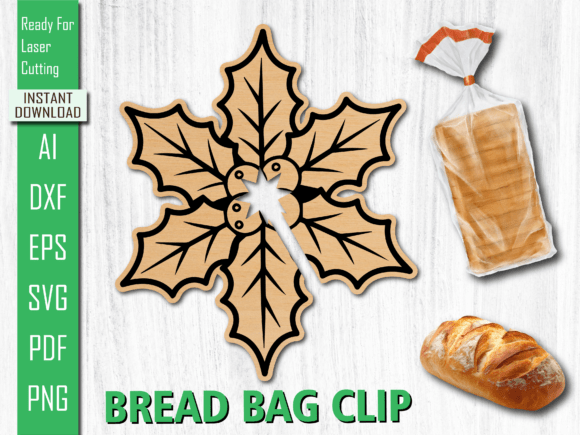
When I first opened the preview files for the Laser Christmas Holiday Holly Bread Clip, the mood was instantly established. It is undeniably cheerful, leaning heavily into the classic red and green palette that defines holiday decor. The holly motif is sharp and distinct, designed to be recognized even at a glance. For an embroidery project, the initial thought is always about how the shape translates into stitch types. The clean lines of the bread clip suggest that a heavy use of satin stitch would work beautifully to define the edges, while the leaves and berries could benefit from a dense fill stitch to create depth.
However, there is a crucial distinction to make here. This design originates as a digital product intended for rigid materials like wood or acrylic. When adapting such a design for soft goods, we must consider the structural integrity of the final piece. A bread clip needs to function; it must seal bread bags effectively. If you are planning to create a handmade product where the embroidery serves as a decorative patch on a functional clip, the placement becomes paramount. The design's personality is bold and slightly humorous, which makes it perfect for a kitchen towel or a holiday gift set, but less ideal if the embroidery itself is expected to bear mechanical stress.
Real-World Application: From Tote Bags to Boutique Merchandise
Let’s imagine a real-life scenario: You are an Etsy seller preparing a limited run of custom holiday aprons for the upcoming season. You want to offer something that stands out in a sea of generic snowmen and reindeer. The Laser Christmas Holiday Holly Bread Clip design offers a narrative element. Instead of just decorating the chest pocket, you could embroider the holly motif on a small canvas patch that acts as a decorative fastener or a label on the apron. The humor mentioned in the description—adding a "playful twist" to organization—translates well into custom apparel where the wearer appreciates a touch of wit.
Consider also the potential for personalized gifts. A client might want a tote bag design featuring this motif to carry their holiday baking supplies. In this context, the machine embroidery design would need to be scaled appropriately. The holly leaves have intricate points that require careful digitizing to prevent them from looking blobby. If you were creating an embroidered patch to sew onto a denim jacket or a sweatshirt embroidery project, the contrast between the vibrant red berries and the dark denim would pop, ensuring high visibility and immediate recognition.
For small shop owners looking to expand their inventory with seasonal items, this design fits perfectly into the commercial embroidery market. It appeals to the demographic that values both utility and aesthetics. However, because the original file is optimized for Laser Cutting, you cannot simply load the vector file into your embroidery machine. You will need to either commission a professional digitizer to convert the shapes into a proper embroidery file or find a version specifically adapted for stitching. The complexity of the holly pattern means that a simple conversion might result in excessive jumps or thread breaks.
Navigating Technical Challenges and Fabric Limitations
While the visual appeal is strong, experienced designers know that execution is everything. There are specific areas where the Laser Christmas Holiday Holly Bread Clip requires caution. First, consider the hoop size. The detailed nature of the holly leaves suggests that a large hoop is necessary to capture all the nuances without crowding the stitches. Attempting to shrink this design for a 4x4 inch hoop on a cap or a baby item could lead to a loss of definition, making the berries look like indistinct dots rather than distinct features.
Fabric texture plays a significant role in how this design performs. On smooth cotton or linen, the stitch density can be higher, allowing for crisp details. However, on textured fabrics like terry cloth for bath towels or thick fleece for winter accessories, the design may lose its sharpness. The "bread clip" aspect implies a connection to food storage, so if you are embroidering directly onto a tea towel, ensure the stabilizer used is washable and won't leave a stiff residue that affects the fabric's absorbency.
Furthermore, be wary of stretchy fabrics. If you attempt to apply this design to a knit sweatshirt, the tension of the fabric during washing can distort the embroidery. The tight curves of the holly leaves might pucker if the thread colors are pulled too tightly against a moving substrate. Using a cutaway stabilizer is essential here to maintain the shape of the finished product. Additionally, dark fabrics require careful color selection; the traditional red and green might get lost without a white underlay, which adds another layer of complexity to the digitizing process.
Designer Notes: Ensuring Quality and Commercial Viability
Before committing to a production run or selling a digital embroidery file based on this concept, there are several practical steps you must take. Always test the design on scrap fabric first. This allows you to check the running stitch flow and ensure that the transition between the holly leaves and the clip shape is seamless. Review the stitch density closely; too much fill can make the design feel heavy and uncomfortable on garments, while too little can leave gaps that show the background fabric.
Confirm your licensing terms before selling any finished items or design assets. Since the original concept is categorized under Other Art Amp and intended for laser cutting, the rights to adapt it for embroidery may vary. Ensure you have the commercial license to transform this applique design idea into a stitched reality for your craft business.
Finally, think about the customer experience. Will they recognize the Laser Christmas Holiday Holly Bread Clip as a high-quality addition to their home? Does it enhance the perceived value of your handmade product? By paying attention to these details—from the choice of thread colors to the stability of the backing—you can turn a clever laser-cut concept into a beloved embroidered treasure. Whether it ends up on a pillow cover, a blanket, or a personalized gift, the key is balancing the humor of the design with the technical precision required for professional results.