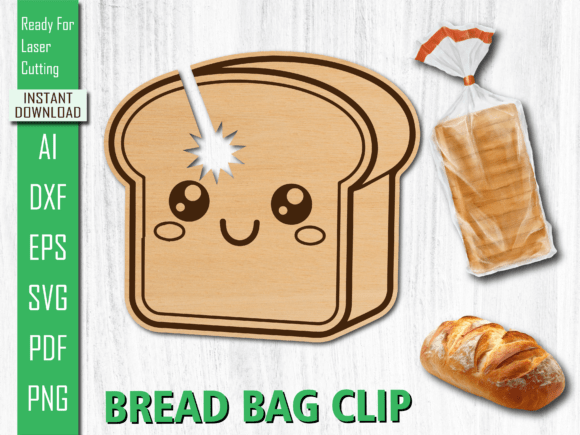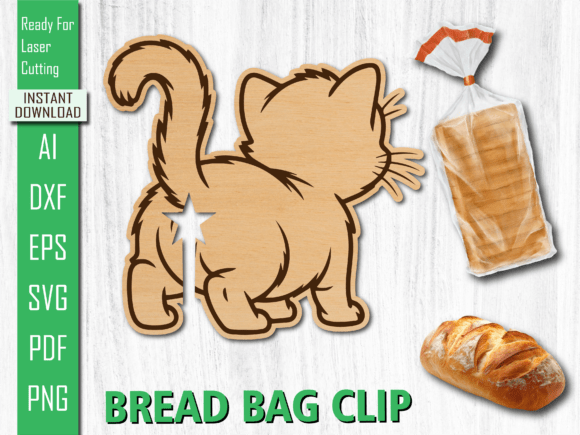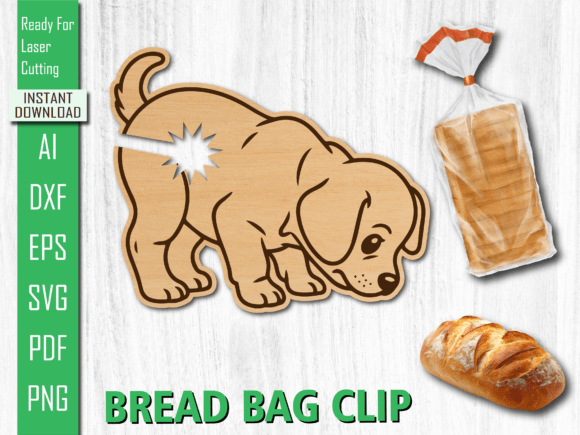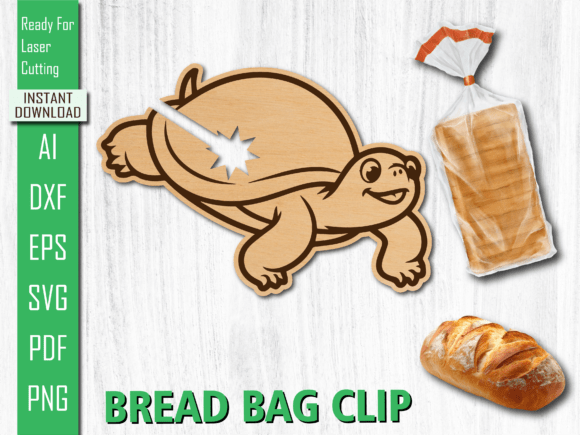
Laser Cut Bakery Cookie Bread Bag Clip Review
As a designer who spends countless hours evaluating assets for real-world application, I approach every new design with a critical eye. The market is flooded with generic patterns, so finding something that balances utility with genuine personality is rare. When I first encountered the Laser Cut Bakery Cookie Bread Bag Clip, my initial reaction was one of curiosity. It sits in the Other Art Amp category, which often signals a unique approach to crafting. While the product description explicitly states this design is made for Laser Cutting and CNC machines, my job as an embroidery professional is to determine if its aesthetic DNA translates effectively into thread, or if it belongs strictly to the realm of wood and acrylic.
First Impressions: Humor Meets Functionality
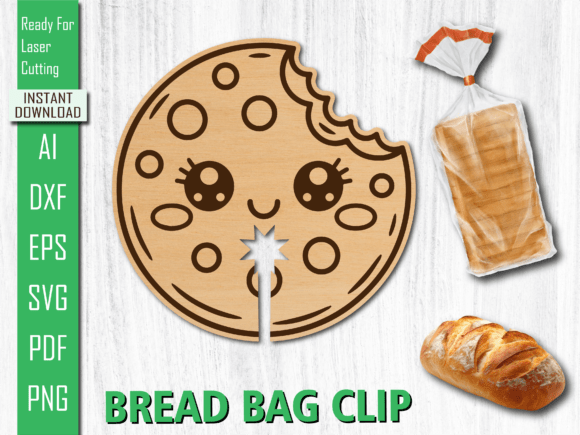
The concept behind this design is straightforward yet charming. It promises to "add a pinch of humor to your kitchen organization," a sentiment that resonates deeply with modern crafters and small business owners. In the world of handmade goods, functionality often wins over pure decoration, but the best products do both. The visual layout suggests a playful twist on a mundane object—the bread clip. For an embroidery project, this theme offers a delightful opportunity to create a whimsical kitchen towel or a personalized apron for a baking enthusiast.
However, translating a shape designed for laser cutting into a machine embroidery design requires careful consideration. Laser-cut pieces rely on clean edges and negative space, whereas embroidery relies on stitch direction, density, and fabric stability. If you are an Etsy seller looking to expand your catalog with funny kitchen accessories, this motif has strong potential. The key lies in how you interpret the lines. A simple outline might work well as a satin stitch border, while the interior could benefit from a textured fill stitch to mimic the look of a cookie or bread crust.
Real-World Application: From Concept to Stitched Reality
Let's imagine a specific scenario. You are preparing a custom order for a local bakery owner who wants branded merchandise for their staff. They need something that looks professional but reflects their fun brand identity. You decide to use the Laser Cut Bakery Cookie Bread Bag Clip concept on a heavy-duty canvas tote bag design. In this context, the design serves as a focal point. Because the original asset is intended for rigid materials, adapting it to a flexible textile means you must think about how the threads will sit against the fabric grain.
If you were to place this design on a sweatshirt embroidery project, the outcome would be different. Sweatshirts have a looped texture that can sometimes swallow fine details. Here, the bold, humorous nature of the bread clip works in your favor. By increasing the stitch density slightly and using high-contrast thread colors, the design pops against the fleece. This makes it an excellent candidate for holiday gifts or personalized gifts for foodies. Customers love items that make them smile, and a tote bag or sweatshirt featuring a witty take on kitchen tools often sells itself.
For those running a craft business, versatility is currency. This design could easily be adapted into an embroidered patch that customers can iron onto denim jackets or backpacks. The playful theme fits perfectly with the current trend of quirky, statement patches. Whether you are selling digital files or finished products, the ability to pivot this design across different mediums—from custom apparel to home decor—increases its value as a digital product.
Navigating Technical Challenges
Despite its charm, there are scenarios where the Laser Cut Bakery Cookie Bread Bag Clip requires caution. Since the source material is optimized for Laser Cutting, the vector paths may contain sharp angles or intricate corners that are difficult for an embroidery machine to navigate smoothly. On small hoop sizes, these tight turns can lead to thread bunching or skipped stitches if the digitizing isn't adjusted.
Fabric choice is equally critical. On thin or stretchy fabrics like jersey knit, the weight of the embroidery can cause puckering, distorting the shape of the bread clip. In such cases, using a tear-away or cut-away stabilizer is non-negotiable. Similarly, on dark fabrics, you must ensure the running stitch outlines are thick enough to prevent the background color from showing through the gaps in the fill. If you are working with layered garments or curved surfaces like caps, the flat geometry of the original design might not drape naturally without significant re-digitizing.
Detailed corners and tiny lettering, if present in your interpretation of the design, are also risk factors. Embroidery does not render text as crisply as laser cutting. If the design includes a tagline like "Freshly Baked," test it on scrap fabric first to ensure legibility. Dense stitch areas can stiffen the fabric, which might be undesirable for items that require frequent washing, such as tea towels or baby clothes. Always consider the end-user experience; a stiff, scratchy patch on a baby bib defeats the purpose of a soft, cuddly item.
Maximizing Visual Appeal and Product Value
When executed correctly, this design significantly boosts the perceived value of a finished product. A simple white apron becomes a conversation starter when adorned with a clever, embroidered bread clip motif. This level of detail signals quality and thoughtfulness, which builds customer trust and encourages repeat business. For boutique branding, consistency is key. If your shop specializes in kitchenware or baking supplies, incorporating this design into your line creates a cohesive narrative.
Before committing to a full production run, I always recommend creating a printable mockup to visualize the scale and placement. Compare light and dark fabric backgrounds to see how the design holds up. Test the embroidery file on a swatch of the actual fabric you intend to use. Check the thread tension and review the stitch count to ensure efficiency. These steps are vital for maintaining professionalism and avoiding costly mistakes.
Furthermore, verify the licensing terms before selling any finished items or commercial embroidery projects. Just because a design is available for purchase doesn't mean you have the right to sell physical goods made from it. As a responsible designer, ensuring you have the proper rights protects your business and respects the original creator.
Final Thoughts for the Creative Entrepreneur
The Laser Cut Bakery Cookie Bread Bag Clip is more than just a pattern; it is a prompt for creativity. While it originates in the world of laser cutting, its thematic strength allows it to thrive in the realm of thread and fabric. For the savvy small shop product creator, it represents an opportunity to inject humor and personality into everyday items. Whether you are making a baby embroidery set, a holiday gift, or a piece of custom apparel, the success of the project depends on your attention to detail and your willingness to adapt the design to the medium.
By testing thoroughly, choosing the right stabilizer, and selecting appropriate thread colors, you can transform this concept into a high-quality, sellable item. Remember, the goal is not just to replicate a shape, but to capture the spirit of the design. With the right execution, this playful motif can become a signature element of your brand, delighting customers and standing out in a crowded marketplace.