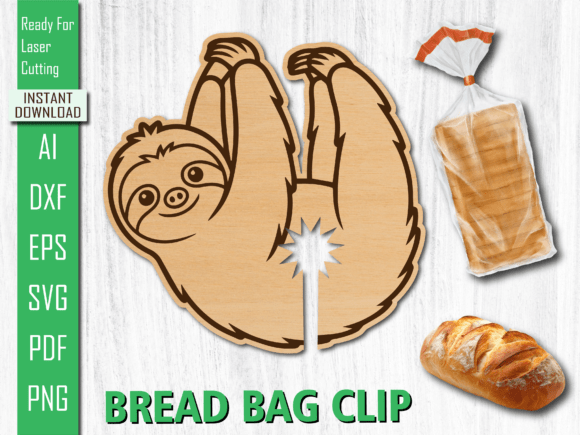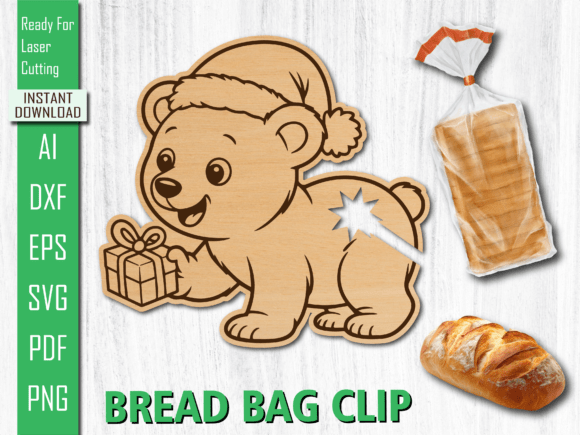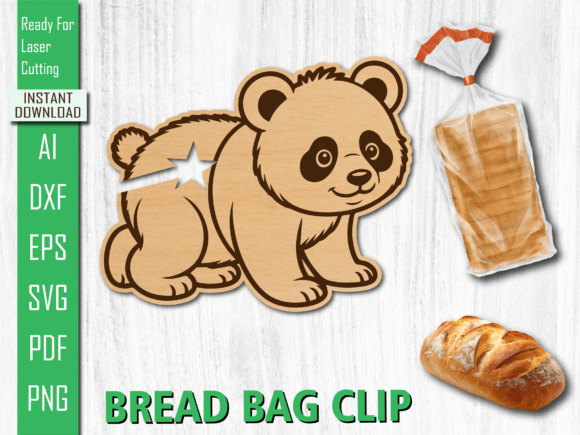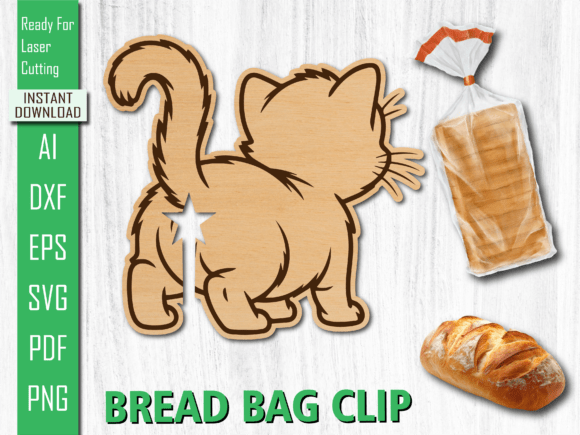
Animal Laser Cut Cute Raccoon Bread Clip Review
A Designer's First Look at the Raccoon Bread Clip Concept
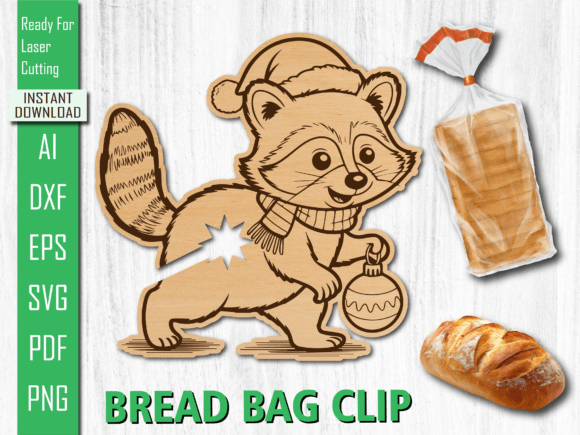
As someone who spends countless hours evaluating design assets for both personal projects and commercial client work, I approach every new file with a critical eye. When I first encountered the Animal Laser Cut Cute Raccoon Bread Clip, my immediate reaction was one of genuine amusement mixed with professional curiosity. This isn't just another generic animal silhouette; it carries a specific personality that screams "kitchen humor." The concept of combining a playful raccoon character with the utilitarian function of a bread clip creates a unique visual hook. While the product description explicitly states this is made for Laser Cutting and CNC machines, falling under the category of Other Art Amp, the underlying shape and character design are so distinct that they immediately spark ideas for how this could be translated into textile art.
The mood here is lighthearted and whimsical. The raccoon's expression suggests mischief, which aligns perfectly with the idea of a creature stealing bread from your pantry. For an embroidery designer, the challenge and opportunity lie in translating these clean, sharp lines intended for wood or acrylic into soft, textured thread. The layout is compact, which is excellent for small-scale applications, but the level of detail requires careful consideration when moving from a digital cut file to a physical stitch plan.
Translating Laser Cut Shapes into Embroidery Projects
Let's imagine a real-life scenario: You are an Etsy seller preparing a holiday gift guide featuring personalized kitchen items. A customer wants a custom apron or a set of tea towels that feels cohesive with their quirky home decor. This is where the Animal Laser Cut Cute Raccoon Bread Clip design becomes incredibly versatile. Even though the original asset is a cut file, the silhouette is robust enough to serve as the foundation for a high-quality machine embroidery design.
If I were adapting this for a tote bag design or a sweatshirt embroidery project, I would focus on the bold outlines of the raccoon. The simplicity of the form works beautifully for applique design techniques. Imagine placing a felt cutout of the raccoon onto a heavy canvas tote bag and outlining it with a thick satin stitch. The contrast between the fabric texture and the crisp edge of the applique would mimic the precision of the laser-cut original while adding the warmth of a handmade product. For a baby embroidery item, perhaps a onesie or a bib, the cute factor of the raccoon adds a layer of charm that parents love. It transforms a basic garment into a conversation starter.
In a commercial setting, such as a boutique selling small shop products, this design could anchor a collection. Think of a line of kitchen towels where the raccoon is the mascot. The visual appeal is strong because it combines nostalgia with modern utility. Customers often look for items that feel personal yet polished. By taking a design meant for hard materials and reimagining it for textiles, you create a unique selling point that separates your brand from mass-market competitors.
Stitching Considerations and Fabric Choices
However, not all fabrics play nice with detailed animal designs. When working with the Animal Laser Cut Cute Raccoon Bread Clip motif, you must be mindful of stitch density and hoop size. If you attempt to embroider the raccoon's facial features on a thin or stretchy fabric like jersey knit, the risk of puckering increases significantly. The design relies on clear definition, and if the stabilizer isn't adequate, those tiny details can get lost in the weave.
I strongly advise testing the design on scrap fabric first. Check how the fill stitch behaves in the larger areas of the body versus the finer lines of the mask and tail. On dark fabrics, you will need to ensure your thread colors offer sufficient contrast. A white or cream outline might pop against a charcoal gray sweatshirt, making the raccoon stand out vividly. Conversely, on light-colored kitchen towels, a darker thread weight might provide the necessary depth to prevent the design from looking flat.
For curved surfaces like caps or hats, the geometry of the raccoon needs to be adjusted slightly. The original laser-cut shape is likely flat and symmetrical. Embroidering directly onto a curved brim can distort the image if the digitization doesn't account for the curve. In these cases, creating an embroidered patch and then attaching it to the cap is often a safer bet than direct stitching. This method preserves the integrity of the design and ensures the finished product looks professional after multiple washes.
Navigating Limitations and Technical Challenges
While the design is charming, there are specific scenarios where caution is required. Small hoop sizes can be a limitation if you try to include too much detail. The raccoon's eyes and nose are small elements that require precise running stitch or fine satin columns. If the hoop is too tight, the needle might struggle to hit the exact points, leading to skipped stitches or uneven edges. Always confirm the hoop size compatibility before committing to a large production run.
Furthermore, consider the context of the final use. If this design is intended for a personalized gift that will be washed frequently, such as a baby blanket or a daily-use apron, the durability of the thread and the stability of the backing become paramount. Dense stitch areas might trap moisture if not properly ventilated during the stitching process. Layered garments also present a challenge; if the raccoon is placed over a seam or a pocket, the thickness of the fabric underneath can cause tension issues.
Another critical aspect is the translation from a hard material aesthetic to a soft one. The Animal Laser Cut Cute Raccoon Bread Clip has a certain rigidity in its appearance. To make it feel organic in embroidery, you might want to soften the corners slightly in your digitizing software. Sharp angles in embroidery can sometimes look jagged if the thread count isn't perfect. Softening these transitions can enhance the handmade presentation and make the design feel more integrated into the fabric rather than stamped on top of it.
Practical Notes for Crafters and Business Owners
Before you integrate this design into your workflow, whether for a craft business or a hobby project, there are essential steps to take. First, always test the design in black and white mockups to see how the values translate without the distraction of color. This helps you assess the clarity of the silhouette. Next, compare the design against both light and dark fabric backgrounds to ensure visibility. Use a proper stabilizer that matches the weight of your fabric; a tear-away might suffice for a sturdy pillow cover, but a cut-away is better for stretchy items like sweatshirts.
For those selling digital files, remember that the original asset is categorized under Laser Cutting. If you are converting this into a digital embroidery file, you must ensure you have the rights to do so. Licensing is a crucial part of any commercial embroidery venture. Never assume that a purchase of a cut file grants you permission to resell the embroidered version or the digitized file itself. Check the license terms thoroughly before listing your finished product on platforms like Etsy or your own website.
Finally, think about the customer experience. When a buyer receives a holiday embroidery item featuring this raccoon, does it meet their expectations? Does the quality reflect the price point? High-quality stitching elevates the perceived value of the item. If the threads are loose or the design is misaligned, it damages your brand consistency and customer trust. By treating the Animal Laser Cut Cute Raccoon Bread Clip with the same care you would give a custom client project, you ensure that the final result is not just a cute decoration, but a piece of functional art that brings joy to the kitchen.
In conclusion, while this design originates as a tool for laser cutting, its potential in the world of embroidery is vast. With thoughtful adaptation, attention to technical details, and a keen eye for placement, this raccoon can become a beloved character in your portfolio of design assets. Whether it ends up on a cozy throw pillow, a durable tote bag, or a festive holiday ornament, the key lies in respecting the design's roots while embracing the unique possibilities of thread and fabric.