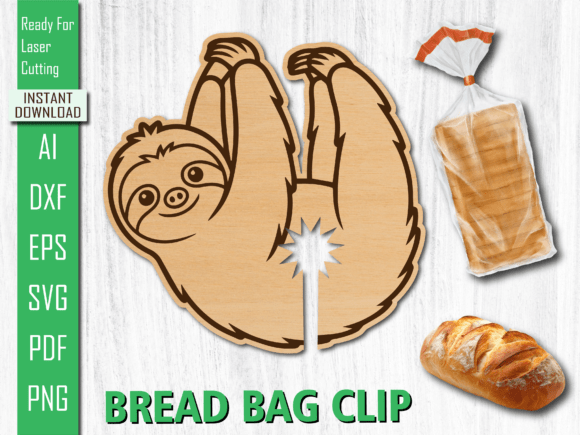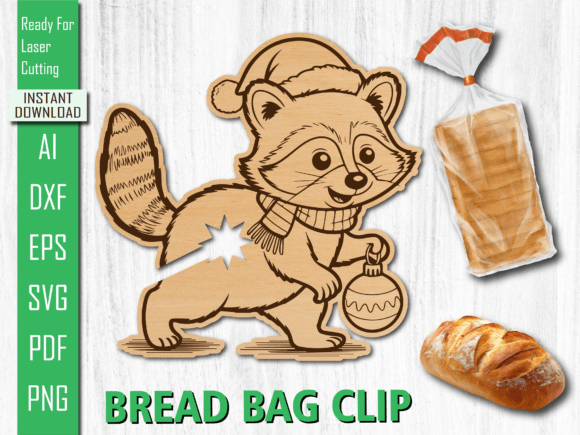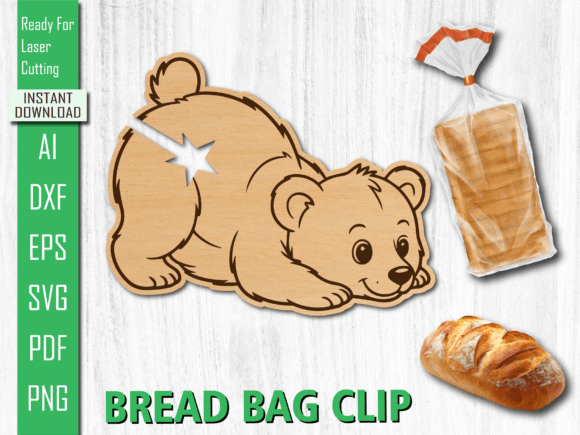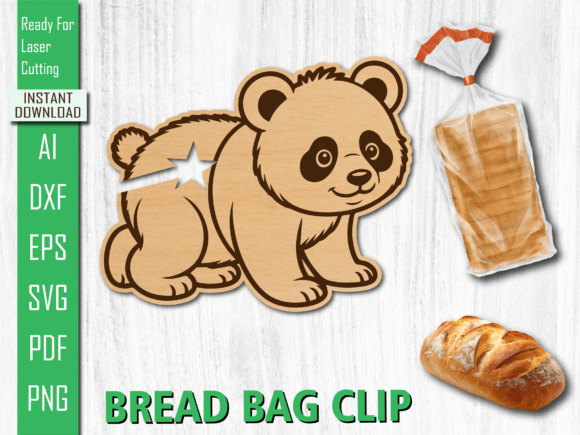
Laser Animal Cute Bear Gift Bread Clip Review
As a designer who has spent years navigating the fine line between whimsical charm and commercial viability, I approach every new design asset with a critical eye. When I first encountered the Laser Animal Cute Bear Gift Bread Clip, my initial reaction was one of amusement followed by immediate curiosity about its practical application. The product description promises to "add a pinch of humor to your kitchen organization," and on the surface, it delivers exactly that. However, for those of us in the embroidery business, the question is never just about the visual appeal; it is about how a concept translates into thread, fabric, and a finished product that customers will love.
This piece is categorized under Other Art Amp and is explicitly designed as a Laser Cutting file. This distinction is crucial. While many of us are looking for a standard machine embroidery design or an applique design to stitch directly onto a tote bag or sweatshirt, this specific asset is intended for rigid materials like wood, acrylic, or felt cut via CNC machines. If you are an Etsy seller or a craft business owner hoping to digitize this exact vector into a digital embroidery file without significant modification, you need to pause. The geometry of a bread clip relies on structural integrity, which often conflicts with the fluidity required for satin stitch or fill stitch on soft textiles.
The Visual Personality and Design Mood
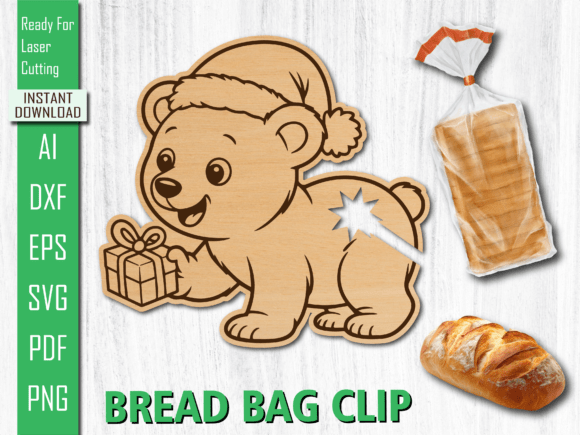
The Laser Animal Cute Bear Gift Bread Clip exudes a playful, nostalgic vibe. The bear motif is simple yet expressive, avoiding the trap of over-complication that plagues so many modern designs. In a real-world scenario, imagine preparing a custom embroidered apron for a boutique kitchenware shop. If we were to adapt this concept into an embroidered patch rather than a functional clip, the bear's rounded features would translate beautifully into a dense fill stitch. The mood is undeniably warm and inviting, perfect for holiday embroidery projects or personalized gifts for new parents setting up their nurseries.
However, the transition from a laser-cut object to a stitched element requires careful consideration. The "bread clip" aspect implies a mechanical function—a spring or a clasp mechanism. In embroidery, we cannot replicate the tension of a metal spring. Therefore, if you intend to use this design for a handmade product, you must treat it as a decorative graphic rather than a functional tool. A customer buying a kitchen towel with a cute bear printed or stitched on it expects a charming accent, not a working device. Understanding this shift in expectation is vital for maintaining customer trust and ensuring your brand consistency remains high.
Navigating Real-World Embroidery Scenarios
Let’s say you are a small shop product creator deciding to feature this bear on a series of canvas tote bags. You might be tempted to create a tote bag design where the bear appears to be holding the bag closed. Visually, this is delightful. But technically, you must consider the hoop size and the fabric texture. Canvas is sturdy, but if the design includes tiny details—like the bear's eyes or the texture of its fur—you risk losing clarity during the stitching process. A running stitch might look too thin, while a heavy fill stitch could pucker the fabric if the stabilizer isn't chosen correctly.
For baby embroidery projects, such as a onesie or a blanket, the softness of the theme fits perfectly. Yet, the scale becomes a major factor. On a small garment, the intricate lines of the original laser design might become muddy. If you are converting this into an embroidery file, you would likely need to simplify the vectors, removing fine internal details to ensure the thread colors pop against the fabric background. A black and white mockup test is essential here. If the contrast disappears when stripped of color, the design needs more bold outlines or a different approach to the fill stitch density.
In the realm of commercial embroidery, such as branding for a bakery or a gift shop, the Laser Animal Cute Bear Gift Bread Clip offers a unique angle. Instead of a standard logo, using the bear as a mascot on caps or hats can create instant recognition. However, curved surfaces like caps present challenges. The bottom of the bear's feet or the top of its ears might distort if the digitization doesn't account for the curve of the brim. Always inspect small details on a curved surface before committing to a full run.
Critical Considerations for Fabric and Finish
When working with textured fabrics like denim or thick wool for sweatshirt embroidery, the interaction between the needle and the material changes everything. The playful nature of the bear design demands a clean finish. If you attempt to stitch this on stretchy fabric without the proper stabilizer, the design may warp after the first wash. Similarly, dark fabrics require a backing layer to prevent the thread colors from being absorbed visually, making the bear look dull rather than vibrant.
There are also scenarios where this design should be used with caution. Layered garments, such as hoodies with thick collars, can make hooping difficult. If the design is large, it might span across a seam, leading to uneven tension. Furthermore, products that need frequent washing, like tea towels or dishcloths, demand a stitch density that can withstand agitation. A delicate running stitch might unravel, whereas a robust satin stitch border around the bear would hold up better.
Practical Designer Notes for Success
Before you finalize any project involving this concept, always test the design on scrap fabric first. This step cannot be overstated. Check whether the design works for both personal and commercial projects by reviewing the licensing terms. Since the original asset is a laser cutting file, you must confirm if the license allows you to digitize it for embroidery and sell the resulting physical goods. Selling a finished product based on a file you do not have the rights to modify can lead to legal issues for your craft business.
Review the stitch density carefully. If you are creating an embroidered patch version of the bear, ensure the backing is firm enough to support the weight of the thread. Compare light and dark fabric backgrounds to see how the thread colors interact. Sometimes, a design that looks great on white cotton fails on navy blue because the contrast is insufficient. Use printable mockups to visualize the final result before investing time and money into production.
Ultimately, the Laser Animal Cute Bear Gift Bread Clip is a fantastic inspiration for creative entrepreneurs. Its charm is undeniable, and its potential for adaptation into a beloved design asset is high. Whether you are crafting a holiday gift, designing a custom apparel line, or building a portfolio for your handmade shop, the key lies in respecting the medium. By treating the design with the technical rigor it deserves—checking file formats, confirming hoop sizes, and testing on various textures—you can transform a simple laser-cut idea into a professional, high-value embroidery project that delights customers and strengthens your brand.